“Our first two days were spent tracking the Wapiti Wolf Pack, the largest in the Yellowstone ecosystem, with an impressive 22 members…At times, they came within full frame of our cameras and long lenses, howling and surrounding our vehicle.
The highlight of our wolf encounters came when we witnessed the pack hunting a herd of bison within camera range of our coach. Since wolves typically hunt at night, observing this behavior in daylight was an exceptionally rare experience. We watched as they separated a cow from the herd and, in no time, brought the animal down. The feast began, unfolding before us as we photographed nature taking its course. Pack members came and went, each claiming their share of the kill. After four hours, nothing remained of the carcass—until scavengers like coyotes, eagles, and ravens moved in to pick up the scraps.
Thinking this had been the ultimate adventure, we were not prepared for what followed. The rest of the bison herd, still disoriented from the chase, had reached the road where several other vehicles and snow coaches had gathered. Suddenly and without warning, the herd stampeded, but not in the direction one might expect; they headed straight toward the onlookers! As people scrambled for the safety of their vehicles, one bison veered directly toward a crowd next to a coach, only to change direction at the last second, narrowly missing the group. Within the chaos, I saw my perfect photo opportunity and quickly captured a few images of the bison swerving to miss the crowd…it was a 10 of 10 on the adrenaline scale – an unforgettable morning with raw, untamed nature at its finest.”
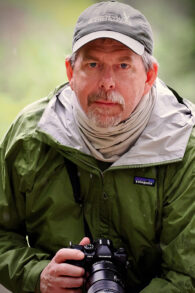
—Jeff Vanuga, tour leader and photographer
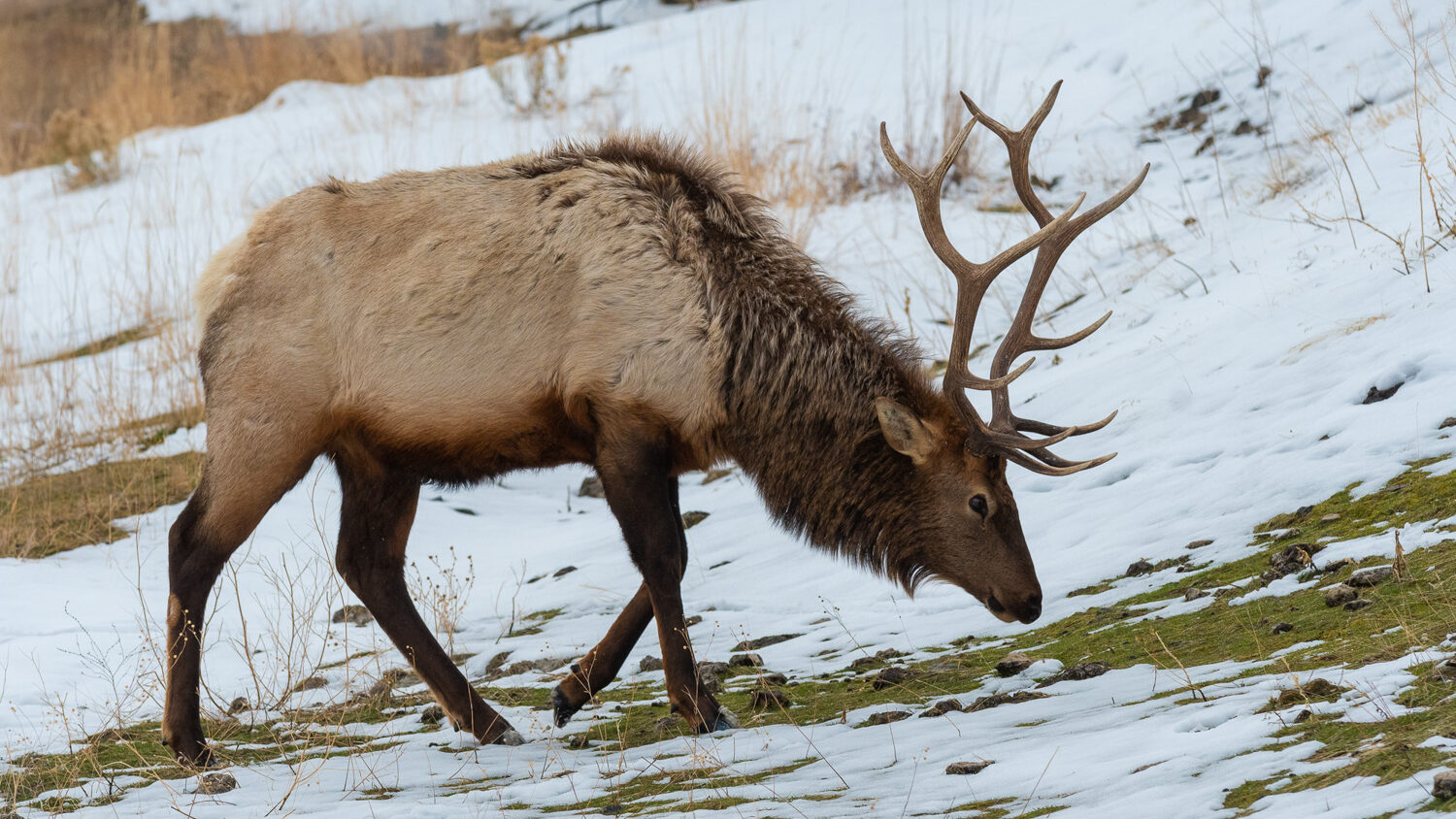
This is Yellowstone. Seemingly deep in winter sleep, Yellowstone is alive with wildlife. Bison plow through deep snow in search of buried autumn-cured forage. Elk patrol the glistening white meadows and graze on grasses still green from the heat of nearby hot pools and bubbling springs. Numerous animals have emerged from the park’s backcountry to congregate in the warmer and more hospitable lowlands and river valleys.
Spectral trees wreathed in frost loom against the blue winter sky and towering waterfalls stand frozen in mid-plunge. The crisp icy air enhances the ethereal effect of Yellowstone’s famous geothermal features. An exotic combination of mist-shrouded hot pools, bubbling paint pots, and steaming fumaroles creates an ever-shifting landscape of undulating clouds and mysterious shadows. It is an unearthly world of crystalline perfection.
Our winter journeys to Yellowstone have always been marked by inspiring expeditions to the heart of the world’s first national park. These adventures are made possible using custom-built snow coaches, that take us deep into Yellowstone’s snow-laden wilderness. The most breathtaking winter landscapes and wildlife photography opportunities have consistently been found in the park’s remote interior valleys, canyons, and geyser basins. Over a span of five “shooting days,” we traverse Yellowstone’s most photogenic and snowy regions by private snow coach.
Starting from our lodgings in West Yellowstone, we embark on day-long journeys into Madison Valley, the Firehole River, and the Fountain and Norris Geyser Basins. We photograph the winter majesty of the Upper and Lower Falls of the Grand Canyon of Yellowstone, their thunderous power encased in ice. Weather permitting, we venture further into the constantly evolving snowscapes and “skyscapes” of the Hayden Valley. To your right, trumpeter swans may forage along the icy banks of the Yellowstone River. To your left, the stark silhouettes of bare trees break up a vast expanse of white.
The uniqueness of this trip lies in its flexibility—we don’t adhere to a fixed itinerary. Instead, each day unravels organically, considering the light, snow, and wildlife locations for the best photo opportunities. Each morning, we board our snow coach and embark on a fresh adventure.
Join us on this magical photography journey through the crown jewel of America’s national parks with our exceptional leaders—wildlife photographers who live there and have deep knowledge of the park. You would be hard-pressed to find guides with such experience who take real pleasure in introducing first-time visitors to the wonders of Yellowstone’s winter landscape. Our proven itinerary offers maximum time in the field for photographing some of the American West’s most stunning panoramas and impressive big game animals.
Tour Itinerary
Day 1 Participants fly to Bozeman, Montana, arriving in time for our 2:00 PM group transfer to West Yellowstone. (D)
Days 2 - 6 Embarking from the West Yellowstone area in our chartered snow coaches, we journey into the heart of the park. Our path takes us through the wildlife-rich landscapes along the Firehole and Madison Rivers and the Fountain Geyser Basin. This part of the park’s interior boasts a wide variety of wildlife, snow-capped trees, active geysers, frost-kissed grasses, and rugged mountain vistas. We continue our journey by capturing great images of the Grand Canyon of Yellowstone, followed by visits to the Hayden Valley and Norris Geyser Basin. Our photographic travels continue to the Midway, Biscuit, and Black Sand Geyser Basins, as well as the Old Faithful area. These regions are teeming with active geological features and are home to majestic elk and bison. Despite winter being a challenging season for the park’s fauna, the warmth of these thermal areas provides some respite. As we traverse these stunning landscapes, we’ll be on the lookout for compelling compositions accentuated by complementary light. Our leader is on hand to assist you with camera settings, composition, and shooting technique to ensure you achieve the best possible images, even in challenging environments. This trip is not just about visiting breathtaking locations; it’s about honing your photography skills and capturing the essence of Yellowstone in Winter. (BLD)
Day 7 Following breakfast, we transfer the group back to the Bozeman airport. Please book your flights home for after 1:00 PM. (B)
Note: The above flexible itinerary is subject to daily changes, depending on local weather, light and snow conditions, and location of wildlife. Temperatures well below freezing are possible with the probability of ice and snow on roads and trails. Elevations on this tour range from 6,000 to 8,000 feet. To participate in this tour, you should have reasonable endurance for short walks with your camera gear in wintery conditions.
Van Os Photo Safaris is an Authorized Permittee of the US National Park Service
2027 Yellowstone in Winter: Moderate Activity Level: Heated snow coach travel. Many of the photography locations are situated at elevations in excess of 7,000 feet above sea level. Much of the time we photograph from the road in close proximity of our vehicle. At geothermal areas we have short walks on established trails with slight grades in elevation. Snow and ice will make the trails slippery, and photographers will need to proceed with caution. Cold, subzero, and relatively dry conditions prevail at Yellowstone during winter months and participants can expect to spend a good portion of the day photographing in these conditions.
Single Supplement: $700
Tour Highlights
Five shooting days using snow coaches, daily
Discover the park’s snowy interior using comfortable heated snow coaches with 6 participants and a leader in a 13-passenger vehicle
Explore the image-rich geothermal thermal areas with short walks for up-close photography
Photograph wondrous snowy interior landscapes rich in wildlife
Unscheduled itinerary allows maximum flexibility to pursue images in the park’s most photogenic areas as conditions permit
One of Joe Van Os’ Top Ten recommended best wildlife and winter landscape photography trips in the world
Includes all meals, lodging, chartered private snow coach, national park fees, photo guides and instruction
Yellowstone in winter is magical. It is truly a winter wonderland. See it with a Van Os tour leader who has been photographing Yellowstone for more than thirty years. —Glenn W.
The Yellowstone in Winter photo tour under the Van Os tour leader’s leadership was a memorable experience. The tour itinerary locations/stops and other details were expertly planned and implemented. —R.C.
An awesome trip. An aspect of Yellowstone that very few people see—the wintery sights and sounds and having the park to yourself. —A.V.
The ice formations are fabulous, from icicles in trees to the feather crystals on the grasses and fences, plus the frost on the eyelashes of bison. —Frank N.
2027 Yellowstone in Winter: Moderate Activity Level: Heated snow coach travel. Many of the photography locations are situated at elevations in excess of 7,000 feet above sea level. Much of the time we photograph from the road in close proximity of our vehicle. At geothermal areas we have short walks on established trails with slight grades in elevation. Snow and ice will make the trails slippery, and photographers will need to proceed with caution. Cold, subzero, and relatively dry conditions prevail at Yellowstone during winter months and participants can expect to spend a good portion of the day photographing in these conditions.
“Our first two days were spent tracking the Wapiti Wolf Pack, the largest in the Yellowstone ecosystem, with an impressive 22 members…At times, they came within full frame of our cameras and long lenses, howling and surrounding our vehicle.
The highlight of our wolf encounters came when we witnessed the pack hunting a herd of bison within camera range of our coach. Since wolves typically hunt at night, observing this behavior in daylight was an exceptionally rare experience. We watched as they separated a cow from the herd and, in no time, brought the animal down. The feast began, unfolding before us as we photographed nature taking its course. Pack members came and went, each claiming their share of the kill. After four hours, nothing remained of the carcass—until scavengers like coyotes, eagles, and ravens moved in to pick up the scraps.
Thinking this had been the ultimate adventure, we were not prepared for what followed. The rest of the bison herd, still disoriented from the chase, had reached the road where several other vehicles and snow coaches had gathered. Suddenly and without warning, the herd stampeded, but not in the direction one might expect; they headed straight toward the onlookers! As people scrambled for the safety of their vehicles, one bison veered directly toward a crowd next to a coach, only to change direction at the last second, narrowly missing the group. Within the chaos, I saw my perfect photo opportunity and quickly captured a few images of the bison swerving to miss the crowd…it was a 10 of 10 on the adrenaline scale – an unforgettable morning with raw, untamed nature at its finest.”
—Jeff Vanuga, tour leader and photographer
This is Yellowstone. Seemingly deep in winter sleep, Yellowstone is alive with wildlife. Bison plow through deep snow in search of buried autumn-cured forage. Elk patrol the glistening white meadows and graze on grasses still green from the heat of nearby hot pools and bubbling springs. Numerous animals have emerged from the park’s backcountry to congregate in the warmer and more hospitable lowlands and river valleys.
Spectral trees wreathed in frost loom against the blue winter sky and towering waterfalls stand frozen in mid-plunge. The crisp icy air enhances the ethereal effect of Yellowstone’s famous geothermal features. An exotic combination of mist-shrouded hot pools, bubbling paint pots, and steaming fumaroles creates an ever-shifting landscape of undulating clouds and mysterious shadows. It is an unearthly world of crystalline perfection.
Our winter journeys to Yellowstone have always been marked by inspiring expeditions to the heart of the world’s first national park. These adventures are made possible using custom-built snow coaches, that take us deep into Yellowstone’s snow-laden wilderness. The most breathtaking winter landscapes and wildlife photography opportunities have consistently been found in the park’s remote interior valleys, canyons, and geyser basins. Over a span of five “shooting days,” we traverse Yellowstone’s most photogenic and snowy regions by private snow coach.
Starting from our lodgings in West Yellowstone, we embark on day-long journeys into Madison Valley, the Firehole River, and the Fountain and Norris Geyser Basins. We photograph the winter majesty of the Upper and Lower Falls of the Grand Canyon of Yellowstone, their thunderous power encased in ice. Weather permitting, we venture further into the constantly evolving snowscapes and “skyscapes” of the Hayden Valley. To your right, trumpeter swans may forage along the icy banks of the Yellowstone River. To your left, the stark silhouettes of bare trees break up a vast expanse of white.
The uniqueness of this trip lies in its flexibility—we don’t adhere to a fixed itinerary. Instead, each day unravels organically, considering the light, snow, and wildlife locations for the best photo opportunities. Each morning, we board our snow coach and embark on a fresh adventure.
Join us on this magical photography journey through the crown jewel of America’s national parks with our exceptional leaders—wildlife photographers who live there and have deep knowledge of the park. You would be hard-pressed to find guides with such experience who take real pleasure in introducing first-time visitors to the wonders of Yellowstone’s winter landscape. Our proven itinerary offers maximum time in the field for photographing some of the American West’s most stunning panoramas and impressive big game animals.
Itinerary
Tour Itinerary
Day 1 Participants fly to Bozeman, Montana, arriving in time for our 2:00 PM group transfer to West Yellowstone. (D)
Days 2 - 6 Embarking from the West Yellowstone area in our chartered snow coaches, we journey into the heart of the park. Our path takes us through the wildlife-rich landscapes along the Firehole and Madison Rivers and the Fountain Geyser Basin. This part of the park’s interior boasts a wide variety of wildlife, snow-capped trees, active geysers, frost-kissed grasses, and rugged mountain vistas. We continue our journey by capturing great images of the Grand Canyon of Yellowstone, followed by visits to the Hayden Valley and Norris Geyser Basin. Our photographic travels continue to the Midway, Biscuit, and Black Sand Geyser Basins, as well as the Old Faithful area. These regions are teeming with active geological features and are home to majestic elk and bison. Despite winter being a challenging season for the park’s fauna, the warmth of these thermal areas provides some respite. As we traverse these stunning landscapes, we’ll be on the lookout for compelling compositions accentuated by complementary light. Our leader is on hand to assist you with camera settings, composition, and shooting technique to ensure you achieve the best possible images, even in challenging environments. This trip is not just about visiting breathtaking locations; it’s about honing your photography skills and capturing the essence of Yellowstone in Winter. (BLD)
Day 7 Following breakfast, we transfer the group back to the Bozeman airport. Please book your flights home for after 1:00 PM. (B)
Note: The above flexible itinerary is subject to daily changes, depending on local weather, light and snow conditions, and location of wildlife. Temperatures well below freezing are possible with the probability of ice and snow on roads and trails. Elevations on this tour range from 6,000 to 8,000 feet. To participate in this tour, you should have reasonable endurance for short walks with your camera gear in wintery conditions.
Van Os Photo Safaris is an Authorized Permittee of the US National Park Service
Yellowstone in winter is magical. It is truly a winter wonderland. See it with a Van Os tour leader who has been photographing Yellowstone for more than thirty years. —Glenn W.
The Yellowstone in Winter photo tour under the Van Os tour leader’s leadership was a memorable experience. The tour itinerary locations/stops and other details were expertly planned and implemented. —R.C.
An awesome trip. An aspect of Yellowstone that very few people see—the wintery sights and sounds and having the park to yourself. —A.V.
The ice formations are fabulous, from icicles in trees to the feather crystals on the grasses and fences, plus the frost on the eyelashes of bison. —Frank N.
“Our first two days were spent tracking the Wapiti Wolf Pack, the largest in the Yellowstone ecosystem, with an impressive 22 members…At times, they came within full frame of our cameras and long lenses, howling and surrounding our vehicle.
The highlight of our wolf encounters came when we witnessed the pack hunting a herd of bison within camera range of our coach. Since wolves typically hunt at night, observing this behavior in daylight was an exceptionally rare experience. We watched as they separated a cow from the herd and, in no time, brought the animal down. The feast began, unfolding before us as we photographed nature taking its course. Pack members came and went, each claiming their share of the kill. After four hours, nothing remained of the carcass—until scavengers like coyotes, eagles, and ravens moved in to pick up the scraps.
Thinking this had been the ultimate adventure, we were not prepared for what followed. The rest of the bison herd, still disoriented from the chase, had reached the road where several other vehicles and snow coaches had gathered. Suddenly and without warning, the herd stampeded, but not in the direction one might expect; they headed straight toward the onlookers! As people scrambled for the safety of their vehicles, one bison veered directly toward a crowd next to a coach, only to change direction at the last second, narrowly missing the group. Within the chaos, I saw my perfect photo opportunity and quickly captured a few images of the bison swerving to miss the crowd…it was a 10 of 10 on the adrenaline scale – an unforgettable morning with raw, untamed nature at its finest.”
—Jeff Vanuga, tour leader and photographer
This is Yellowstone. Seemingly deep in winter sleep, Yellowstone is alive with wildlife. Bison plow through deep snow in search of buried autumn-cured forage. Elk patrol the glistening white meadows and graze on grasses still green from the heat of nearby hot pools and bubbling springs. Numerous animals have emerged from the park's backcountry to congregate in the warmer and more hospitable lowlands and river valleys.
Spectral trees wreathed in frost loom against the blue winter sky and towering waterfalls stand frozen in mid-plunge. The crisp icy air enhances the ethereal effect of Yellowstone's famous geothermal features. An exotic combination of mist-shrouded hot pools, bubbling paint pots, and steaming fumaroles creates an ever-shifting landscape of undulating clouds and mysterious shadows. It is an unearthly world of crystalline perfection.
Our winter journeys to Yellowstone have always been marked by inspiring expeditions to the heart of the world’s first national park. These adventures are made possible using custom-built snow coaches, that take us deep into Yellowstone’s snow-laden wilderness. The most breathtaking winter landscapes and wildlife photography opportunities have consistently been found in the park’s remote interior valleys, canyons, and geyser basins. Over a span of five “shooting days,” we traverse Yellowstone’s most photogenic and snowy regions by private snow coach.
Starting from our lodgings in West Yellowstone, we embark on day-long journeys into Madison Valley, the Firehole River, and the Fountain and Norris Geyser Basins. We photograph the winter majesty of the Upper and Lower Falls of the Grand Canyon of Yellowstone, their thunderous power encased in ice. Weather permitting, we venture further into the constantly evolving snowscapes and “skyscapes” of the Hayden Valley. To your right, trumpeter swans may forage along the icy banks of the Yellowstone River. To your left, the stark silhouettes of bare trees break up a vast expanse of white.
The uniqueness of this trip lies in its flexibility—we don’t adhere to a fixed itinerary. Instead, each day unravels organically, considering the light, snow, and wildlife locations for the best photo opportunities. Each morning, we board our snow coach and embark on a fresh adventure.
Join us on this magical photography journey through the crown jewel of America’s national parks with our exceptional leaders—wildlife photographers who live there and have deep knowledge of the park. You would be hard-pressed to find guides with such experience who take real pleasure in introducing first-time visitors to the wonders of Yellowstone’s winter landscape. Our proven itinerary offers maximum time in the field for photographing some of the American West’s most stunning panoramas and impressive big game animals.
“Our first two days were spent tracking the Wapiti Wolf Pack, the largest in the Yellowstone ecosystem, with an impressive 22 members…At times, they came within full frame of our cameras and long lenses, howling and surrounding our vehicle.
The highlight of our wolf encounters came when we witnessed the pack hunting a herd of bison within camera range of our coach. Since wolves typically hunt at night, observing this behavior in daylight was an exceptionally rare experience. We watched as they separated a cow from the herd and, in no time, brought the animal down. The feast began, unfolding before us as we photographed nature taking its course. Pack members came and went, each claiming their share of the kill. After four hours, nothing remained of the carcass—until scavengers like coyotes, eagles, and ravens moved in to pick up the scraps.
Thinking this had been the ultimate adventure, we were not prepared for what followed. The rest of the bison herd, still disoriented from the chase, had reached the road where several other vehicles and snow coaches had gathered. Suddenly and without warning, the herd stampeded, but not in the direction one might expect; they headed straight toward the onlookers! As people scrambled for the safety of their vehicles, one bison veered directly toward a crowd next to a coach, only to change direction at the last second, narrowly missing the group. Within the chaos, I saw my perfect photo opportunity and quickly captured a few images of the bison swerving to miss the crowd…it was a 10 of 10 on the adrenaline scale – an unforgettable morning with raw, untamed nature at its finest.”
—Jeff Vanuga, tour leader and photographer
This is Yellowstone. Seemingly deep in winter sleep, Yellowstone is alive with wildlife. Bison plow through deep snow in search of buried autumn-cured forage. Elk patrol the glistening white meadows and graze on grasses still green from the heat of nearby hot pools and bubbling springs. Numerous animals have emerged from the park's backcountry to congregate in the warmer and more hospitable lowlands and river valleys.
Spectral trees wreathed in frost loom against the blue winter sky and towering waterfalls stand frozen in mid-plunge. The crisp icy air enhances the ethereal effect of Yellowstone's famous geothermal features. An exotic combination of mist-shrouded hot pools, bubbling paint pots, and steaming fumaroles creates an ever-shifting landscape of undulating clouds and mysterious shadows. It is an unearthly world of crystalline perfection.
Our winter journeys to Yellowstone have always been marked by inspiring expeditions to the heart of the world’s first national park. These adventures are made possible using custom-built snow coaches, that take us deep into Yellowstone’s snow-laden wilderness. The most breathtaking winter landscapes and wildlife photography opportunities have consistently been found in the park’s remote interior valleys, canyons, and geyser basins. Over a span of five “shooting days,” we traverse Yellowstone’s most photogenic and snowy regions by private snow coach.
Starting from our lodgings in West Yellowstone, we embark on day-long journeys into Madison Valley, the Firehole River, and the Fountain and Norris Geyser Basins. We photograph the winter majesty of the Upper and Lower Falls of the Grand Canyon of Yellowstone, their thunderous power encased in ice. Weather permitting, we venture further into the constantly evolving snowscapes and “skyscapes” of the Hayden Valley. To your right, trumpeter swans may forage along the icy banks of the Yellowstone River. To your left, the stark silhouettes of bare trees break up a vast expanse of white.
The uniqueness of this trip lies in its flexibility—we don’t adhere to a fixed itinerary. Instead, each day unravels organically, considering the light, snow, and wildlife locations for the best photo opportunities. Each morning, we board our snow coach and embark on a fresh adventure.
Join us on this magical photography journey through the crown jewel of America’s national parks with our exceptional leaders—wildlife photographers who live there and have deep knowledge of the park. You would be hard-pressed to find guides with such experience who take real pleasure in introducing first-time visitors to the wonders of Yellowstone’s winter landscape. Our proven itinerary offers maximum time in the field for photographing some of the American West’s most stunning panoramas and impressive big game animals.
“Our first two days were spent tracking the Wapiti Wolf Pack, the largest in the Yellowstone ecosystem, with an impressive 22 members…At times, they came within full frame of our cameras and long lenses, howling and surrounding our vehicle.
The highlight of our wolf encounters came when we witnessed the pack hunting a herd of bison within camera range of our coach. Since wolves typically hunt at night, observing this behavior in daylight was an exceptionally rare experience. We watched as they separated a cow from the herd and, in no time, brought the animal down. The feast began, unfolding before us as we photographed nature taking its course. Pack members came and went, each claiming their share of the kill. After four hours, nothing remained of the carcass—until scavengers like coyotes, eagles, and ravens moved in to pick up the scraps.
Thinking this had been the ultimate adventure, we were not prepared for what followed. The rest of the bison herd, still disoriented from the chase, had reached the road where several other vehicles and snow coaches had gathered. Suddenly and without warning, the herd stampeded, but not in the direction one might expect; they headed straight toward the onlookers! As people scrambled for the safety of their vehicles, one bison veered directly toward a crowd next to a coach, only to change direction at the last second, narrowly missing the group. Within the chaos, I saw my perfect photo opportunity and quickly captured a few images of the bison swerving to miss the crowd…it was a 10 of 10 on the adrenaline scale – an unforgettable morning with raw, untamed nature at its finest.”
—Jeff Vanuga, tour leader and photographer
This is Yellowstone. Seemingly deep in winter sleep, Yellowstone is alive with wildlife. Bison plow through deep snow in search of buried autumn-cured forage. Elk patrol the glistening white meadows and graze on grasses still green from the heat of nearby hot pools and bubbling springs. Numerous animals have emerged from the park's backcountry to congregate in the warmer and more hospitable lowlands and river valleys.
Spectral trees wreathed in frost loom against the blue winter sky and towering waterfalls stand frozen in mid-plunge. The crisp icy air enhances the ethereal effect of Yellowstone's famous geothermal features. An exotic combination of mist-shrouded hot pools, bubbling paint pots, and steaming fumaroles creates an ever-shifting landscape of undulating clouds and mysterious shadows. It is an unearthly world of crystalline perfection.
Our winter journeys to Yellowstone have always been marked by inspiring expeditions to the heart of the world’s first national park. These adventures are made possible using custom-built snow coaches, that take us deep into Yellowstone’s snow-laden wilderness. The most breathtaking winter landscapes and wildlife photography opportunities have consistently been found in the park’s remote interior valleys, canyons, and geyser basins. Over a span of five “shooting days,” we traverse Yellowstone’s most photogenic and snowy regions by private snow coach.
Starting from our lodgings in West Yellowstone, we embark on day-long journeys into Madison Valley, the Firehole River, and the Fountain and Norris Geyser Basins. We photograph the winter majesty of the Upper and Lower Falls of the Grand Canyon of Yellowstone, their thunderous power encased in ice. Weather permitting, we venture further into the constantly evolving snowscapes and “skyscapes” of the Hayden Valley. To your right, trumpeter swans may forage along the icy banks of the Yellowstone River. To your left, the stark silhouettes of bare trees break up a vast expanse of white.
The uniqueness of this trip lies in its flexibility—we don’t adhere to a fixed itinerary. Instead, each day unravels organically, considering the light, snow, and wildlife locations for the best photo opportunities. Each morning, we board our snow coach and embark on a fresh adventure.
Join us on this magical photography journey through the crown jewel of America’s national parks with our exceptional leaders—wildlife photographers who live there and have deep knowledge of the park. You would be hard-pressed to find guides with such experience who take real pleasure in introducing first-time visitors to the wonders of Yellowstone’s winter landscape. Our proven itinerary offers maximum time in the field for photographing some of the American West’s most stunning panoramas and impressive big game animals.
Get Your Free Ebook A Guide To Organizing And Finding Your Images By John Shaw
Van Os Photo Safaris uses the information you provide to contact you about our upcoming tours, special offers, and trip reports. You may unsubscribe from these communications at any time. For more information, check out our Privacy Policy.
Get Your Free Ebook Panorama by John Shaw
Van Os Photo Safaris uses the information you provide to contact you about our upcoming tours, special offers, and trip reports. You may unsubscribe from these communications at any time. For more information, check out our Privacy Policy.