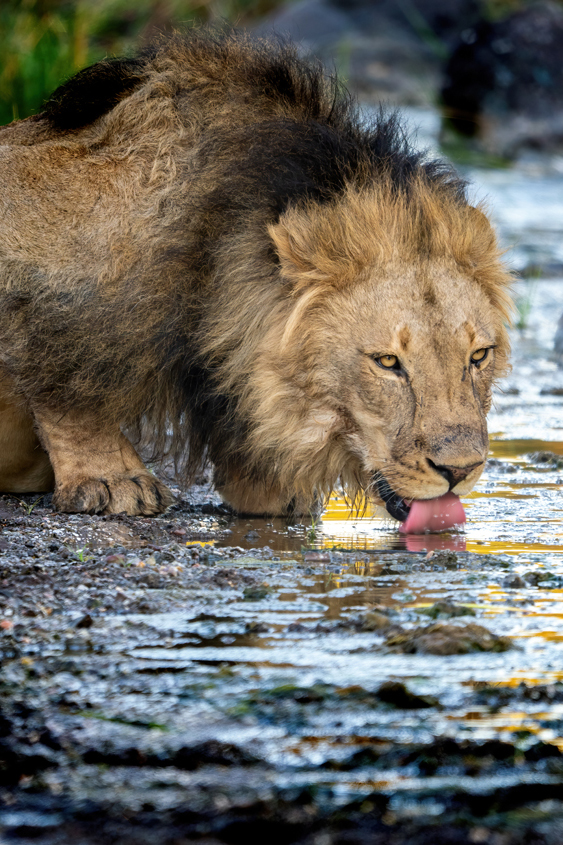
One of the standout aspects of the Van Os Photo Safari to Botswana is the high concentration of wildlife you can photograph with so little effort, compared with traveling all the way to southern Africa and then spending days bouncing from place to place to see as much of the country as possible. If you are into wildlife photography and want to minimize travel effort in the African bush while spending more time photographing, this photo tour continues to deliver the best photography with the most comfortable travel.
The trip is scheduled during Botswana’s dry season, and as with many locations around the world, these seasons can be affected by climate conditions, as they were this year. The southern African wet season was particularly long and productive, delivering life-sustaining water and ending a series of very dry years. By contrast, the wet season filled seasonal waterholes to capacity and allowed rivers that would normally be dry and dusty to run well into August. Water availability affects wildlife concentration across most of the globe, but it’s especially true here in Southern Africa. More on this later.
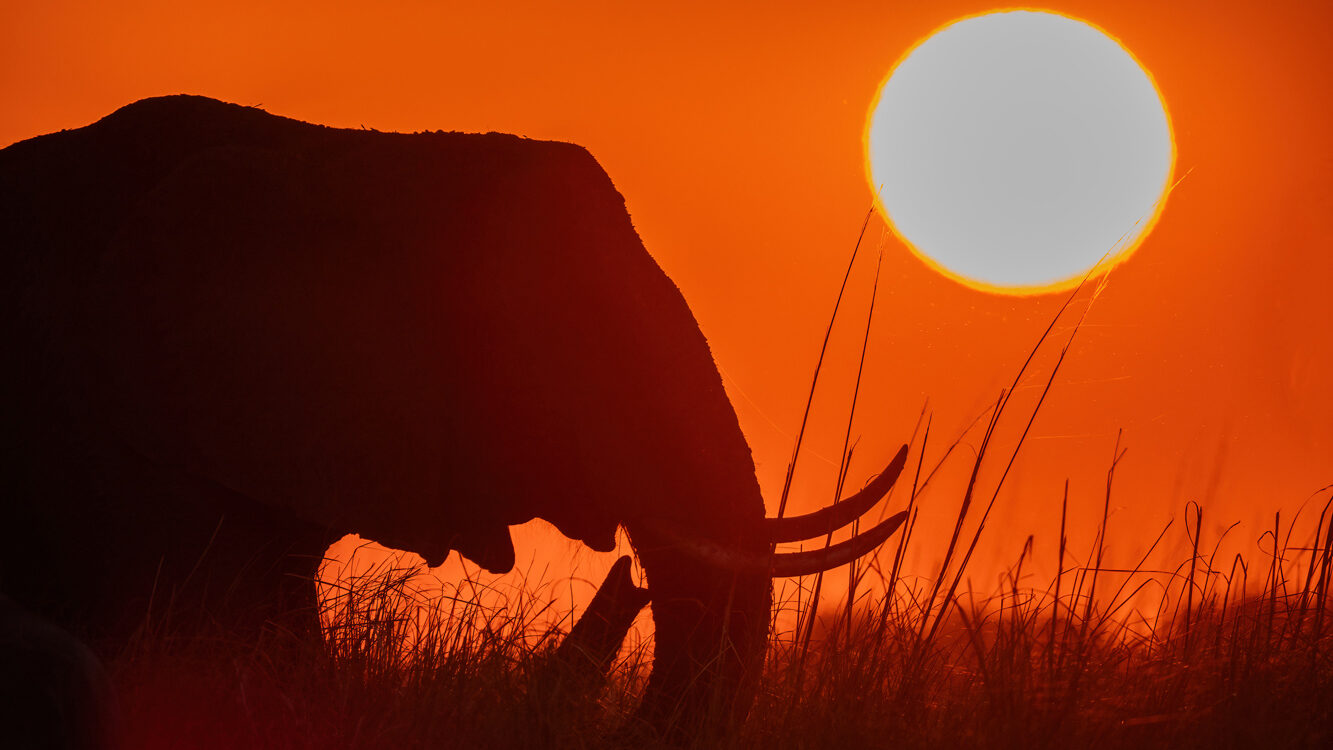
Travel to and between our two selected locations in the Chobe and Limpopo River valleys was timely and easy thanks to our charter flights. Once based at our comfortable lodges, we made the most of our time, spending every morning and evening exploring the landscape and photographing the area’s wildlife concentrations up close.
First stop: the famous Chobe River in Chobe National Park. While Chobe is well known for its wildlife concentrations, the Chobe River is ground zero for drawing game along its corridor, which provides access to green forage and a constant flow of water from the highlands of Angola. From our well-appointed photo safari boats, we spent most of our safaris exploring the river well outside the local park area that so many other water safaris access. From the boats, we were treated to eye-level photography of wildlife such as Chobe’s famous elephants, antelope, and water birds of all varieties.
While most safaris happen overland along the river, we took two traditional game drives to access the park’s interior and photograph lions and other wildlife that frequent the river less reliably. After a final morning on the river, photographing at a wading bird rockery, it was time to catch our charter flight to our next destination along the Limpopo River.
Here in southern Botswana, the landscape usually takes on a scorched-earth quality during the dry season, but it wasn’t quite as dry this year. In fact, there was still plenty of grassy forage standing, and nearly all the mopane trees were still sporting luxuriant growth. With the Limpopo River and a few of its largest tributaries still flowing, the wildlife was here and full of life. Our location in the south usually offers incredible photo opportunities with multiple leopards, and this year was no different. Along with the leopards, we were also rewarded with more than enough lion photo sessions; I easily lost count of the individual lions we photographed.
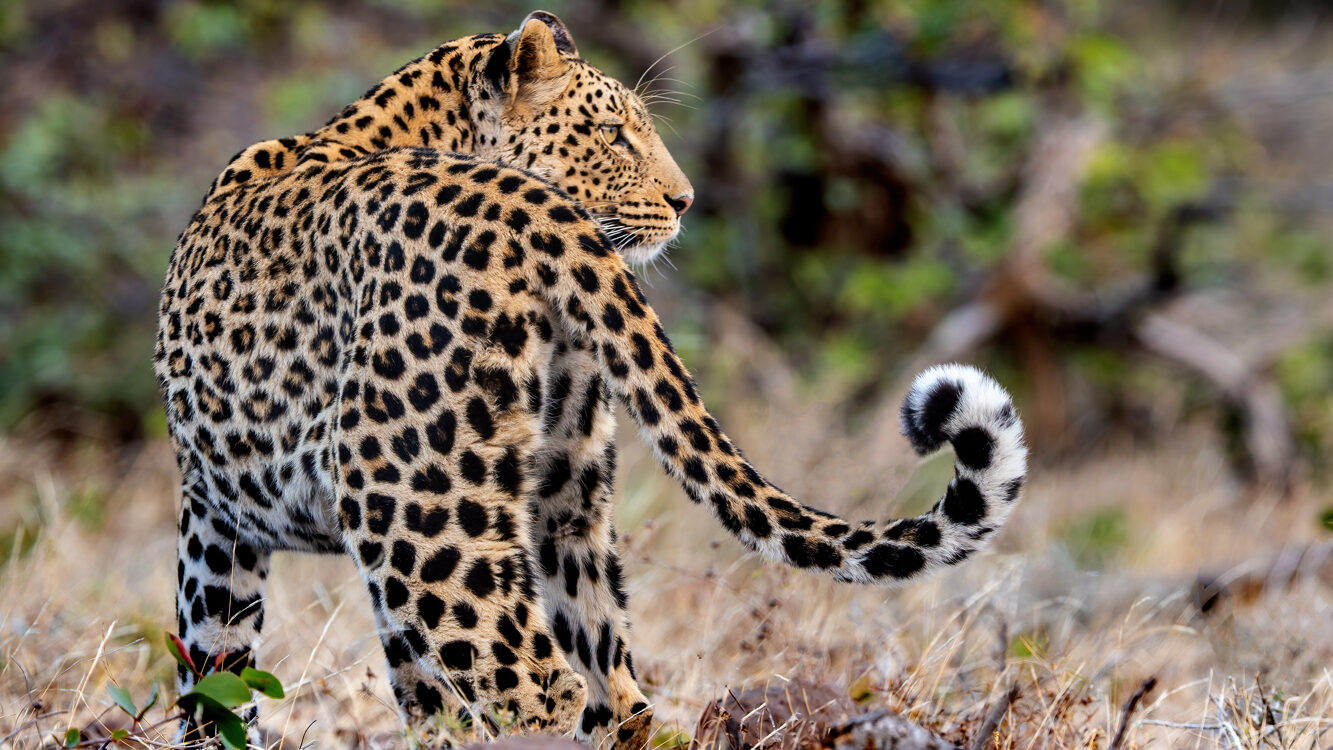
As usual, the comfortable cottages here were the perfect base between our daily game drives. We also photographed from the area’s waterhole hides; wildlife activity at the hides was lower than on previous visits, most likely because ample water sources from the extended rains earlier in the year reduced the need to visit the waterhole.
A unique aspect of our visit to the Limpopo area was the cloud cover. Usually, this time of year brings cloudless days and nights. Our first few days were blessed with soft, overcast light, perfect for wildlife photography, rather than the usual high-contrast light that takes over in the middle of the day.
I can safely say our Botswana photo safari remains a big hit with photographers seeking a comfortable African safari with ample photographic opportunities, including those for lions and leopards, as well as a wide variety of African game.